The purpose of the Radio Camera Initiative (RCI) was to develop a highly optimized high-throughput end-to-end pipeline for near real-time flagging, calibration and imaging with very large-N radio interferometer arrays (thousands of antennas) such as the Deep Synoptic Array (DSA), proposed to the 2020 Astronomy Decadal Survey, as well as Phase 2 of the Square Kilometre Array (SKA). This effort occurs against the backdrop of an explosive growth period in the software and algorithms used for radio astronomy motivated by the SKA, VLA/ngVLA, ALMA, MeerKAT, ASKAP, LOFAR, MWA, HERA, LWA, GMRT, EVN and VLBA etc. In the initial exploratory phase of the RCI, we invited luminaries worldwide to present the cutting edge techniques being used for flagging, calibration, imaging and data processing in radio astronomy and beyond.
February 19, 2021
The Radio Camera Initiative: the path forward
Gregg Hallinan (Caltech/OVRO)
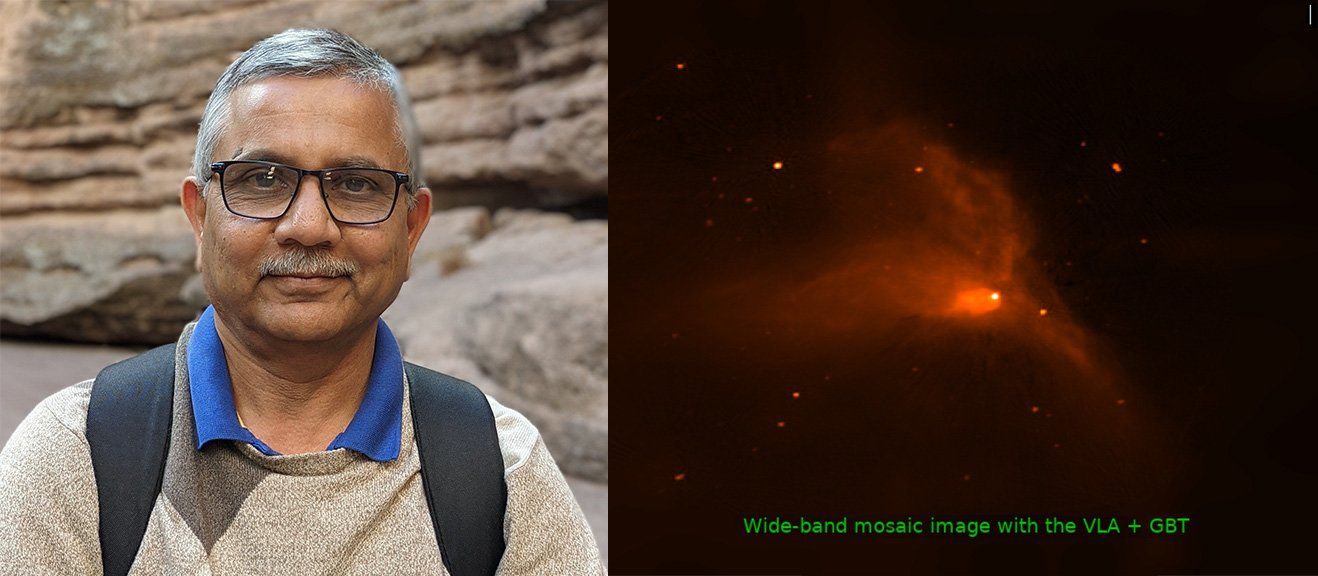
February 12, 2021
A systems approach to imaging and calibration
Sanjay Bhatnagar (NRAO)
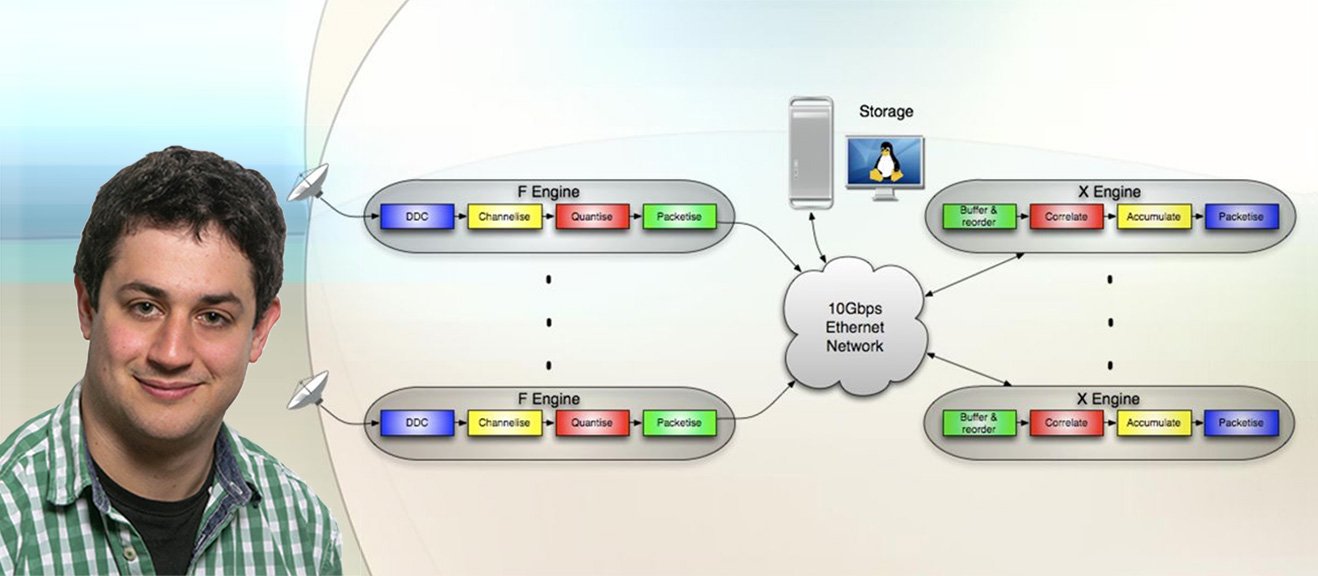
February 5, 2021
Piecing together a radio telescope: correlator and signal processing for the DSA-2000
Jack Hickish (Real-Time Radio Systems Ltd)
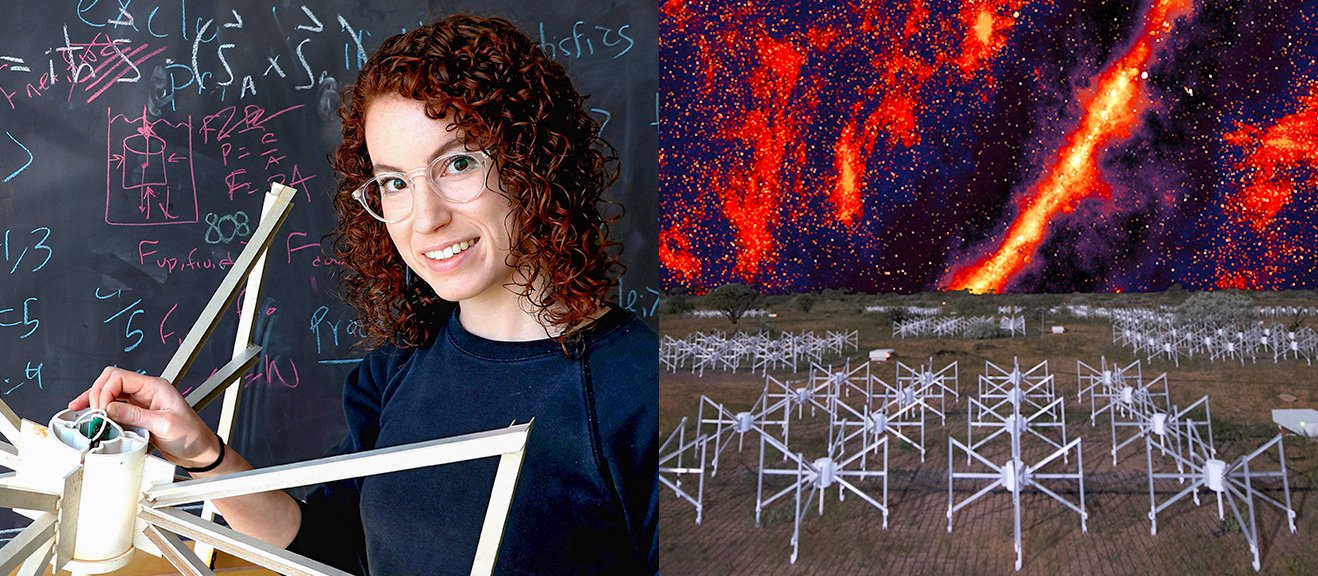
January 29, 2021
Precision calibration techniques to enable 21 cm cosmology with the Hydrogen Epoch of Reionization Array
Ruby Byrne (UW)
January 22, 2021
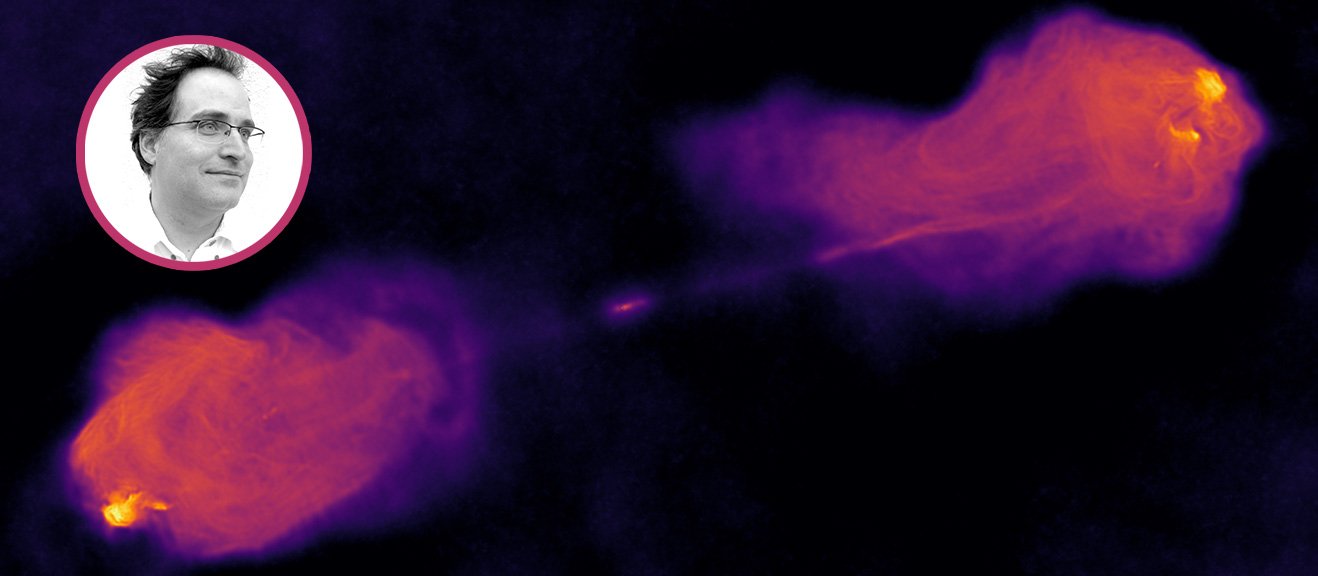
The craft and duty of scientific software engineering
Peter Williams (CfA/Harvard & Smithsonian)
January 8, 2021
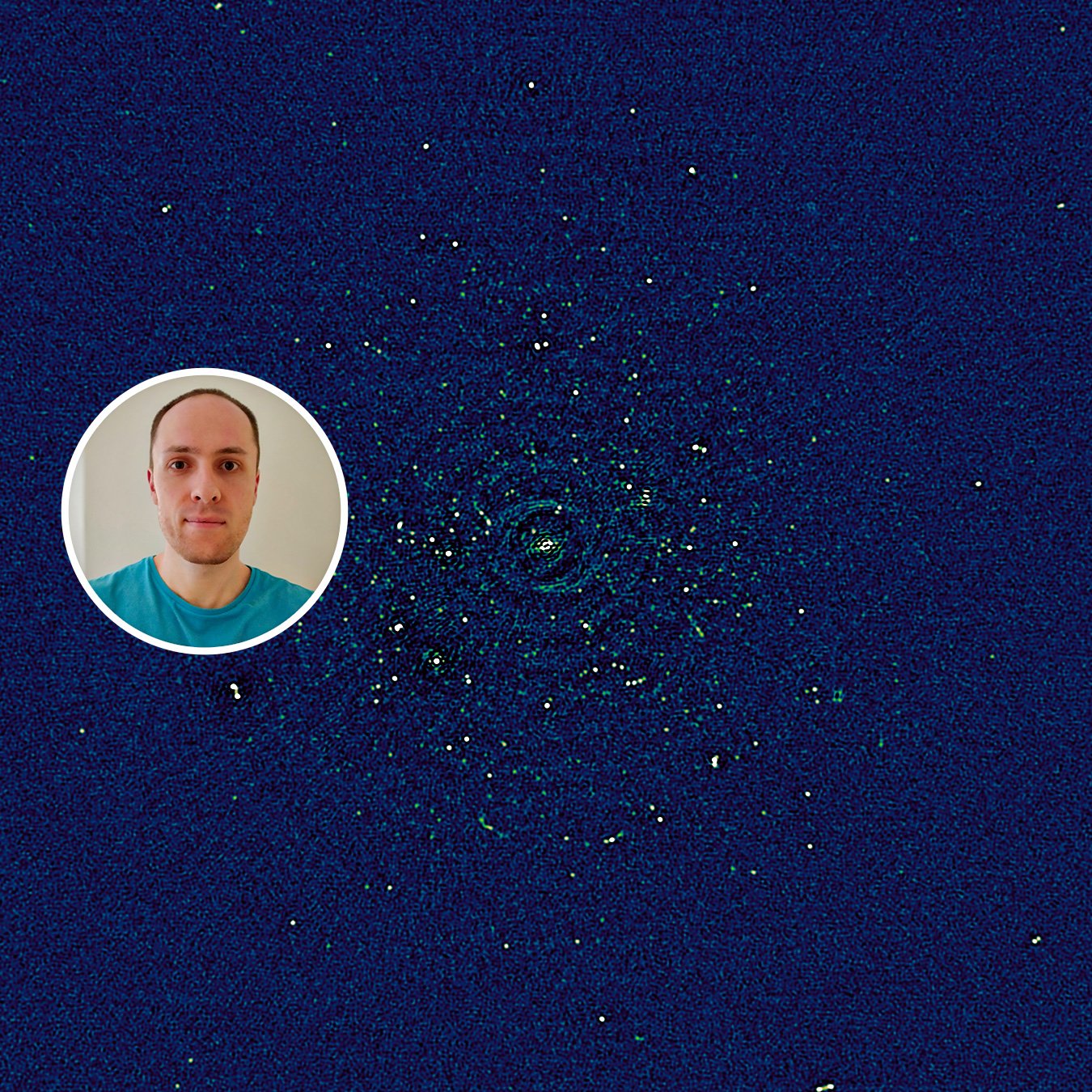
QuartiCal - embarrassingly parallel calibration for radio interferometers
Jonathan Kenyon (Rhodes University)
December 18, 2020
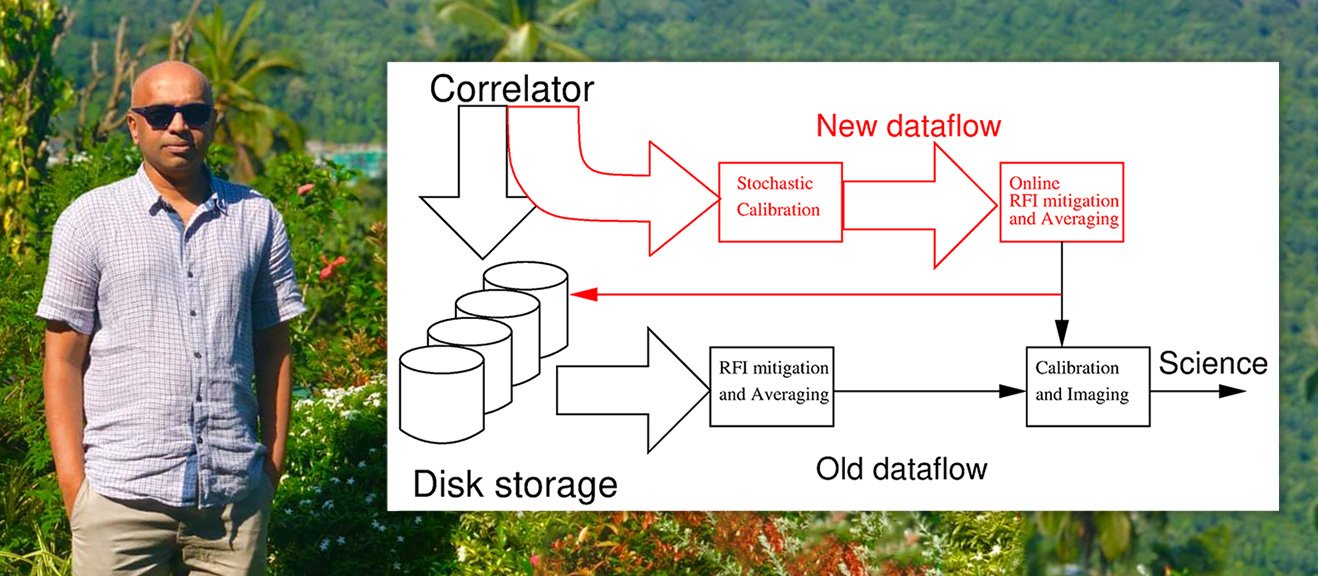
Towards online processing of radio telescope data
Sarod Yatawatta (ASTRON)
December 11, 2020
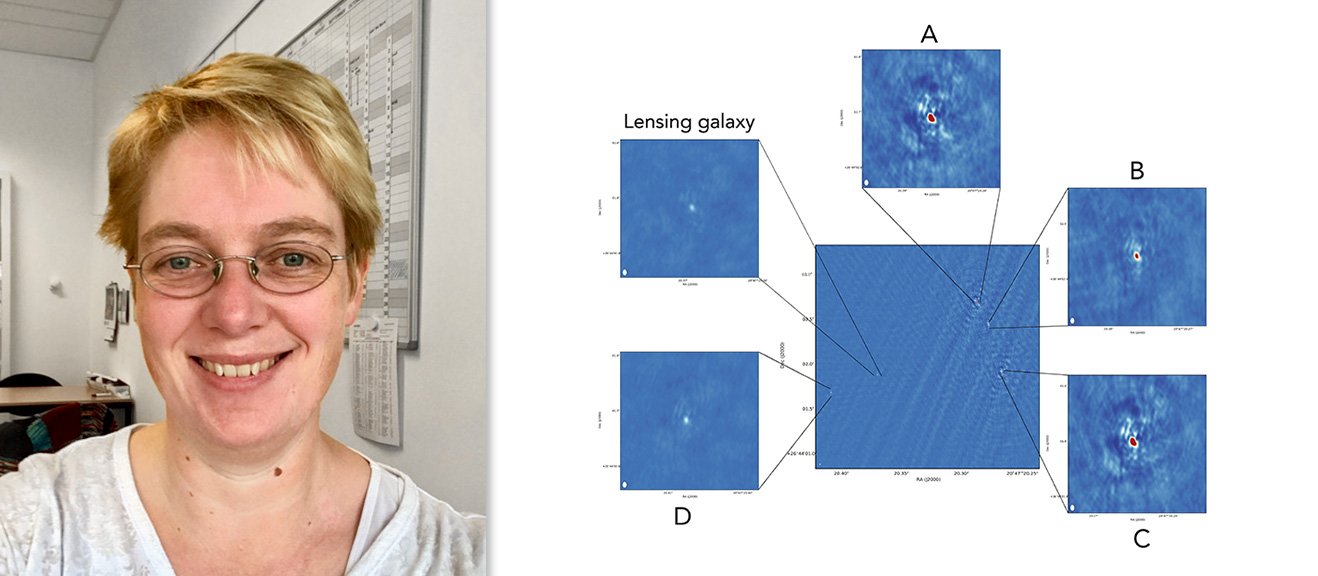
Tough tools for solid science: making CASA ready for next generation radio telescopes
Ilse van Bemmel (JIVE)
December 4, 2020
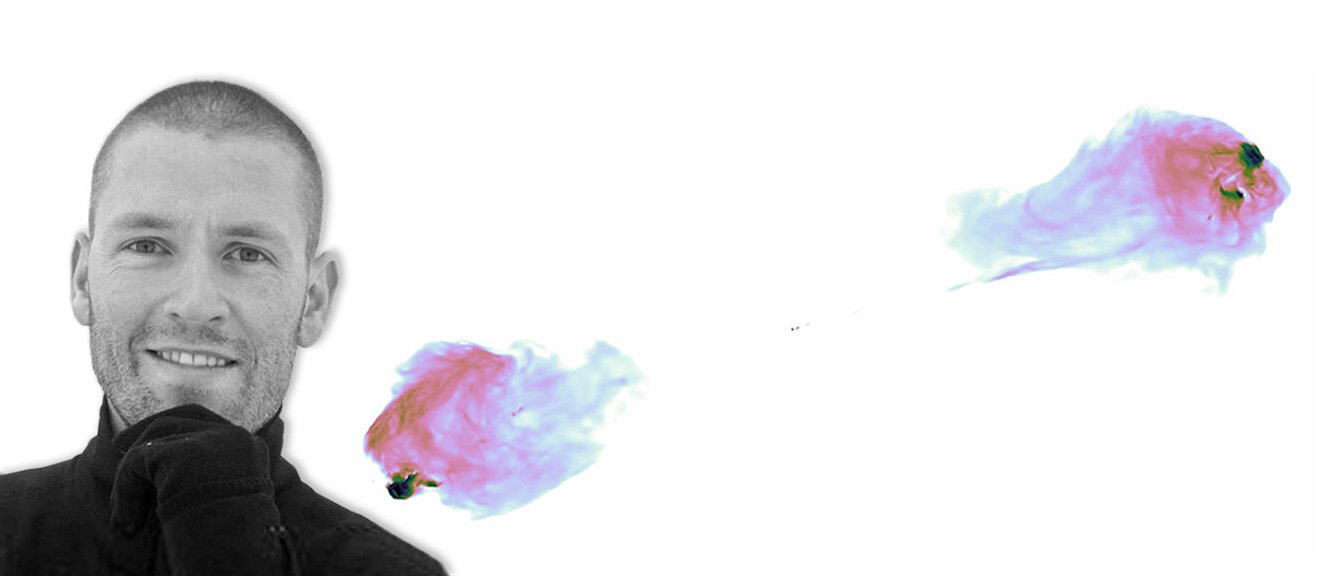
An optimisation perspective on extreme-scale computations for next-generation radio-interferometric imaging
Yves Wiaux (Heriot-Watt University)
November 20, 2020
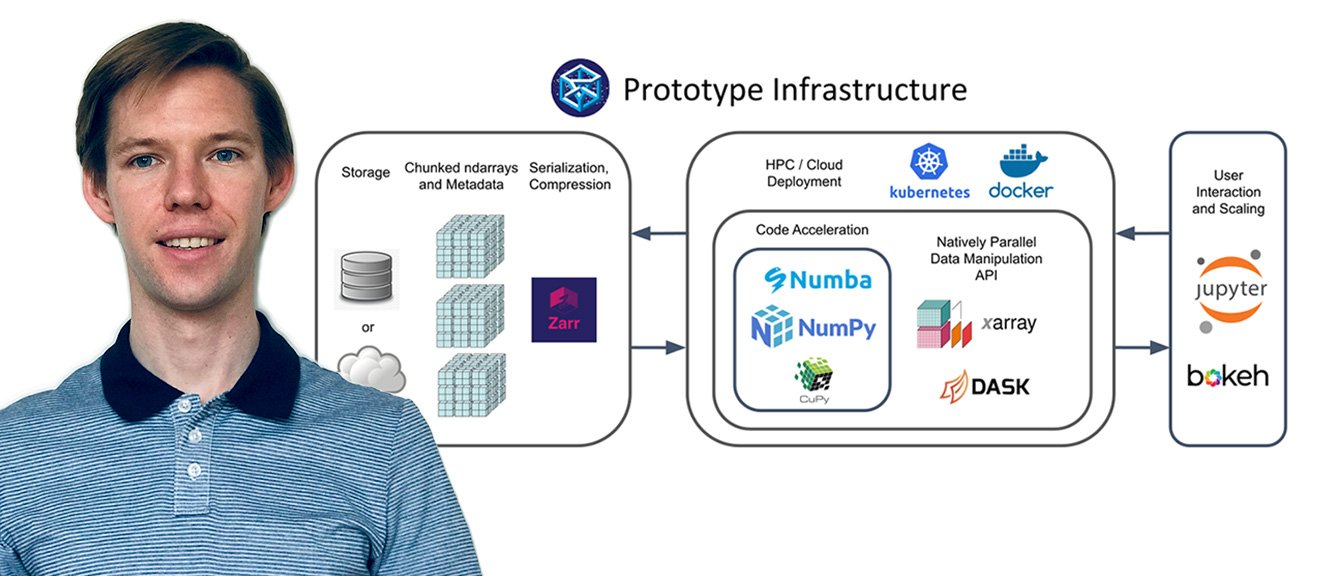
Prototype design for next generation CASA using Zarr and Dask
Jan-Willem Steeb (NRAO)
November 13, 2020
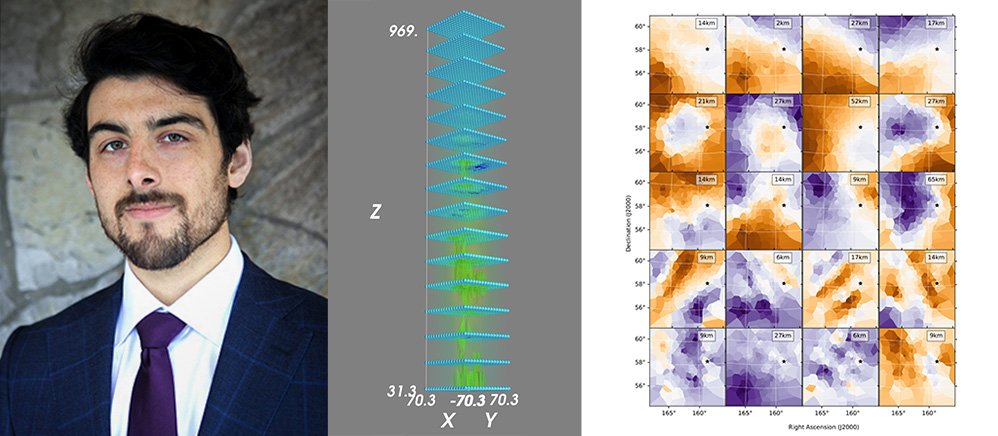
Platform independent HPC, recursive Bayesian inference, and optimal transport for radio interferometry
Joshua Albert (Leiden University)
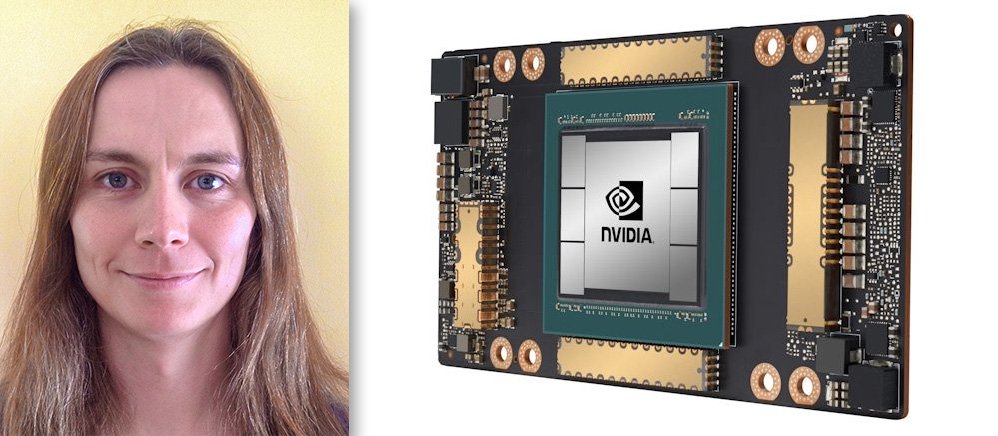
November 6, 2020
From Teslas to Amperes: a decade of using GPUs for radio astronomy
Kate Clark (NVIDIA)
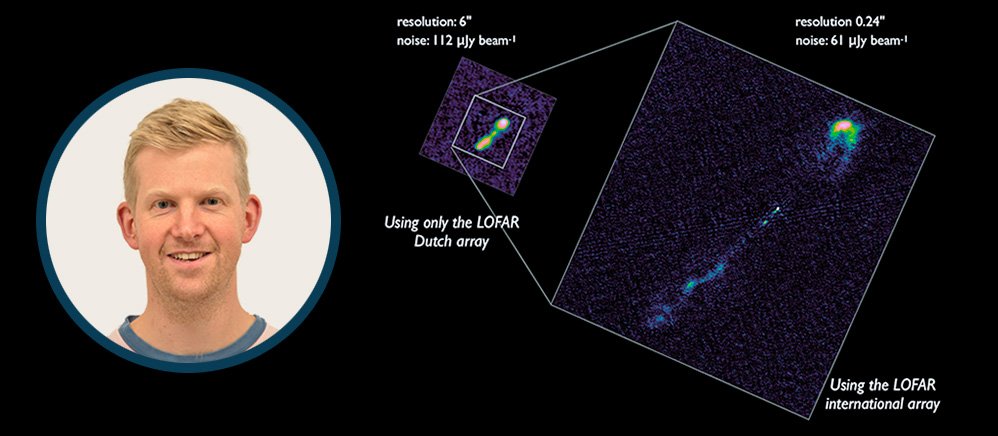
October 30, 2020
Algorithms for interferometric radio processing: the challenge of next-generation telescopes
André Offringa (ASTRON)
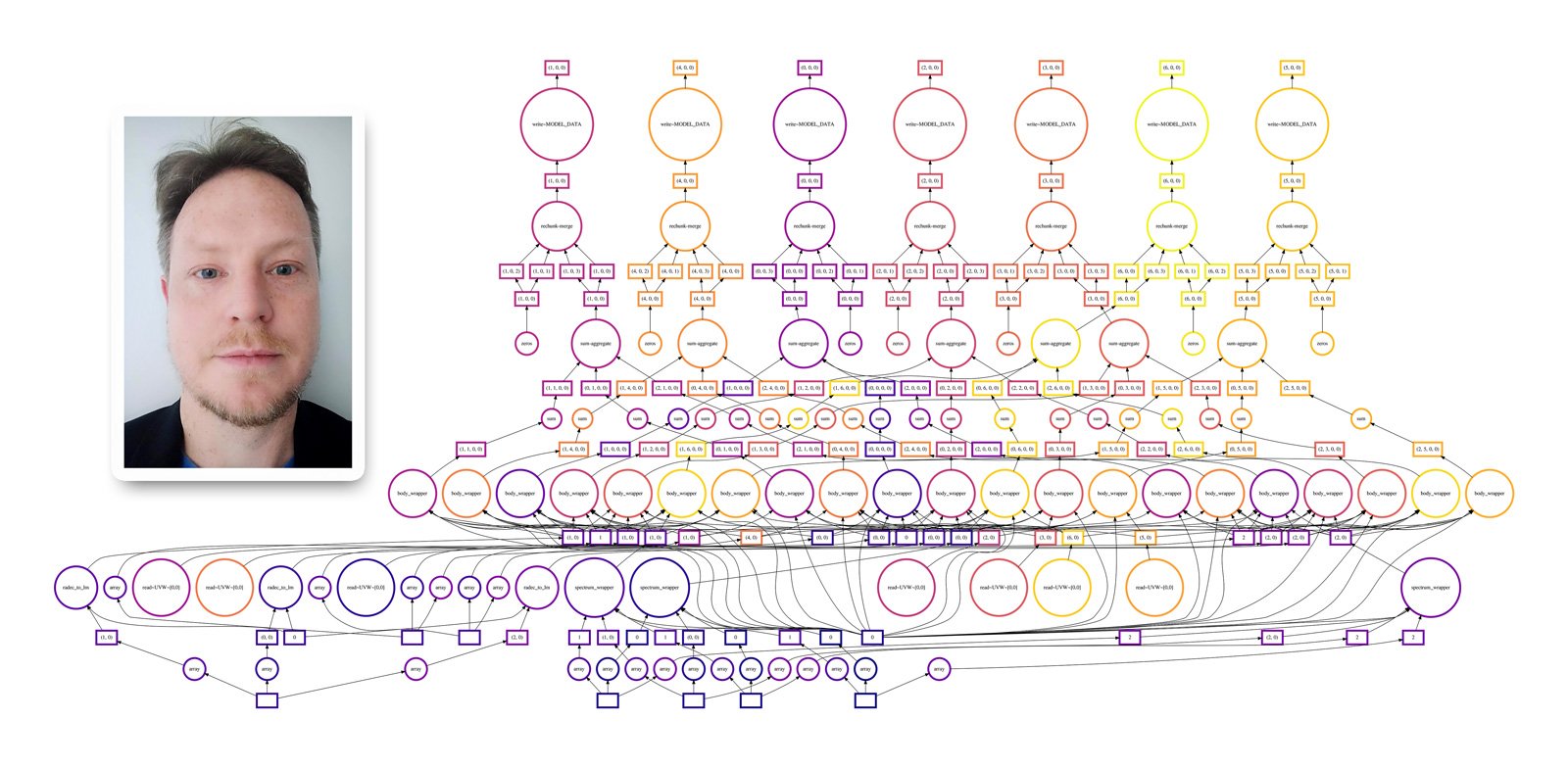
October 23, 2020
Designing a parallel, distributed dask-based radio interferometry pipeline
Simon Perkins (South African Radio Astronomy Observatory)
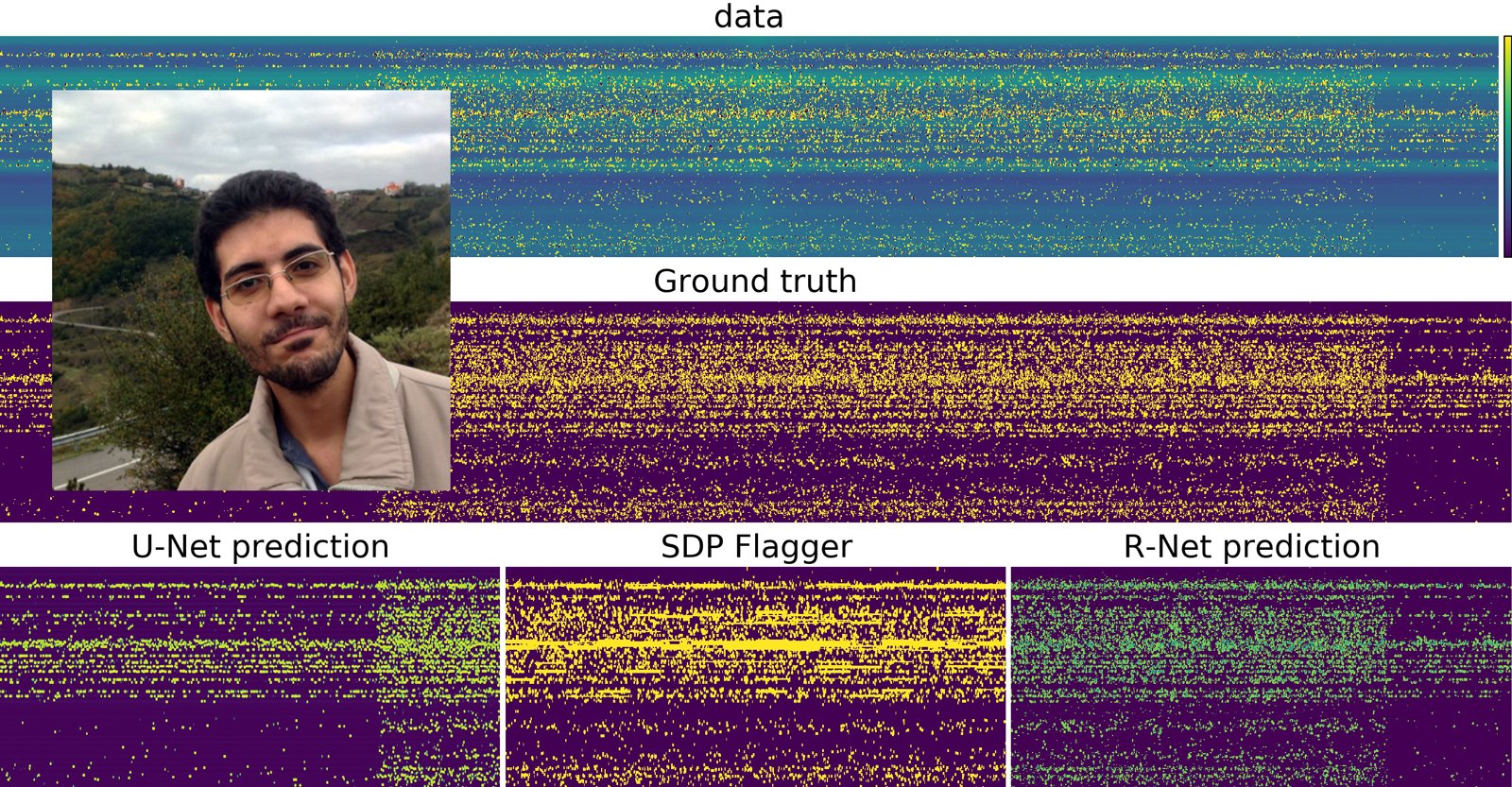
October 16, 2020
RFI mitigation in MeerKAT simulations using deep learning
Alireza Vafaei Sadr (University of Geneva)
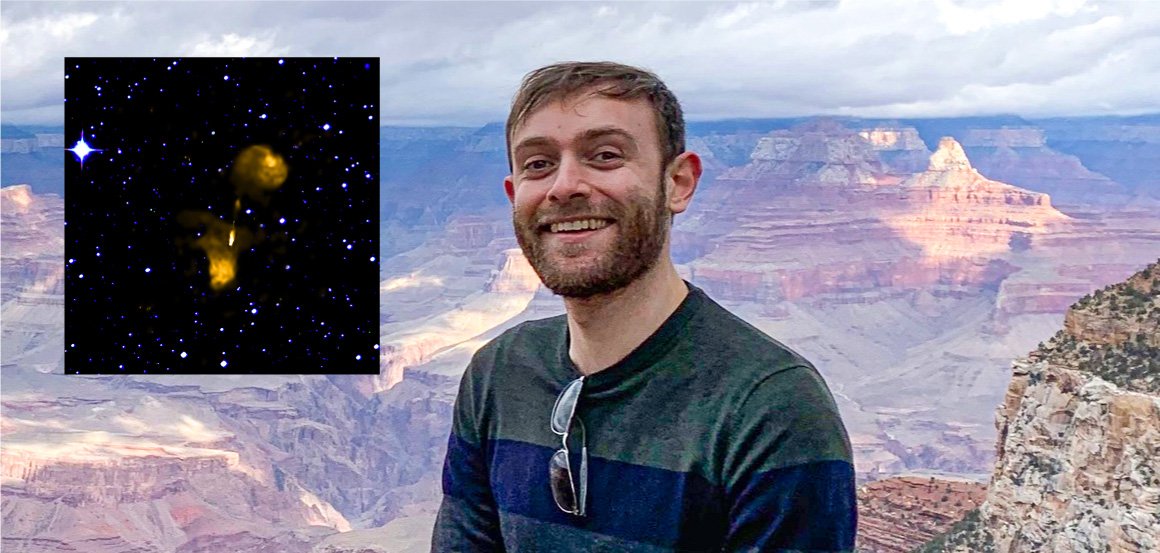
October 9, 2020
New perspectives in wide-field imaging and spectro-polarimetry with new reconstruction algorithms
Luke Pratley (University of Toronto)
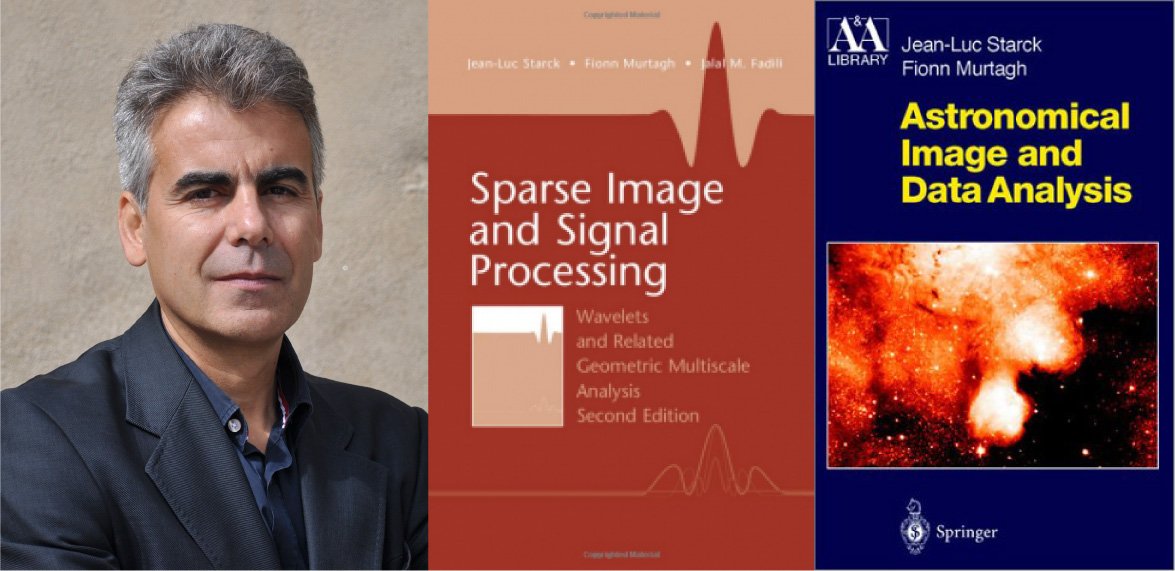
October 2, 2020
Image Reconstruction: from sparsity to deep learning
Jean-Luc Starck (CEA-Saclay)
September 25, 2020
RFI mitigation for the ngVLA—a cost-benefit analysis
Urvashi Rau (NRAO)
September 18, 2020
The LOFAR two-meter sky surveys(s), algorithms and science
Cyril Tasse (Paris Observatory)
September 11, 2020
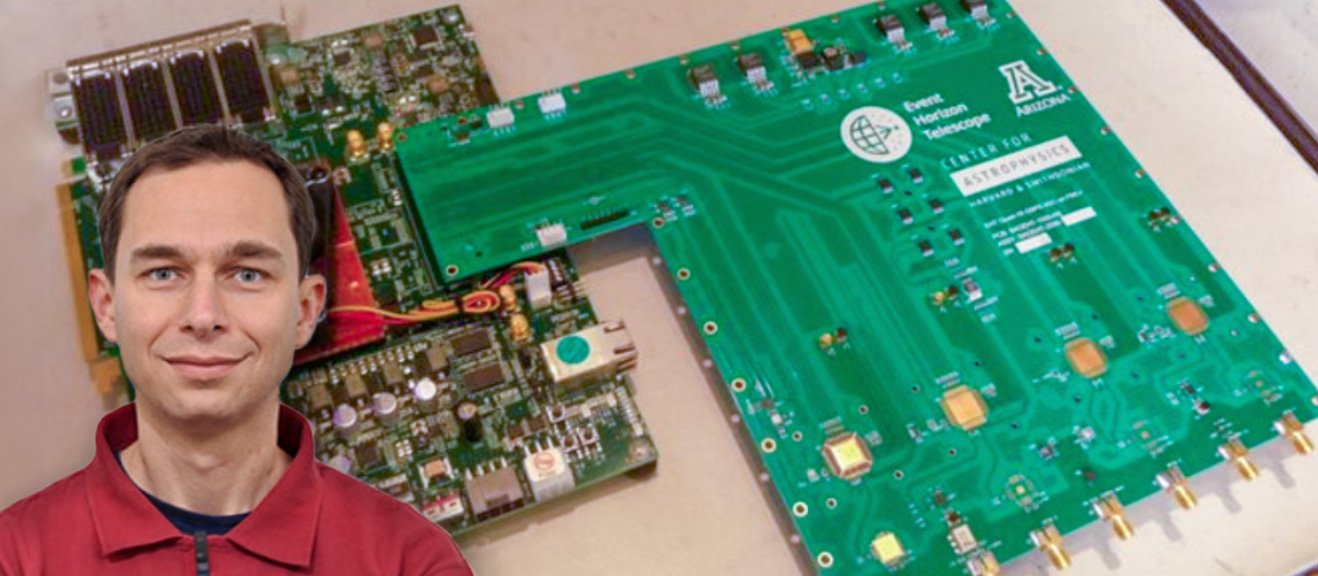
Exploring new GPU and FPGA technologies for radio astronomy
John Romein (ASTRON)
September 4, 2020
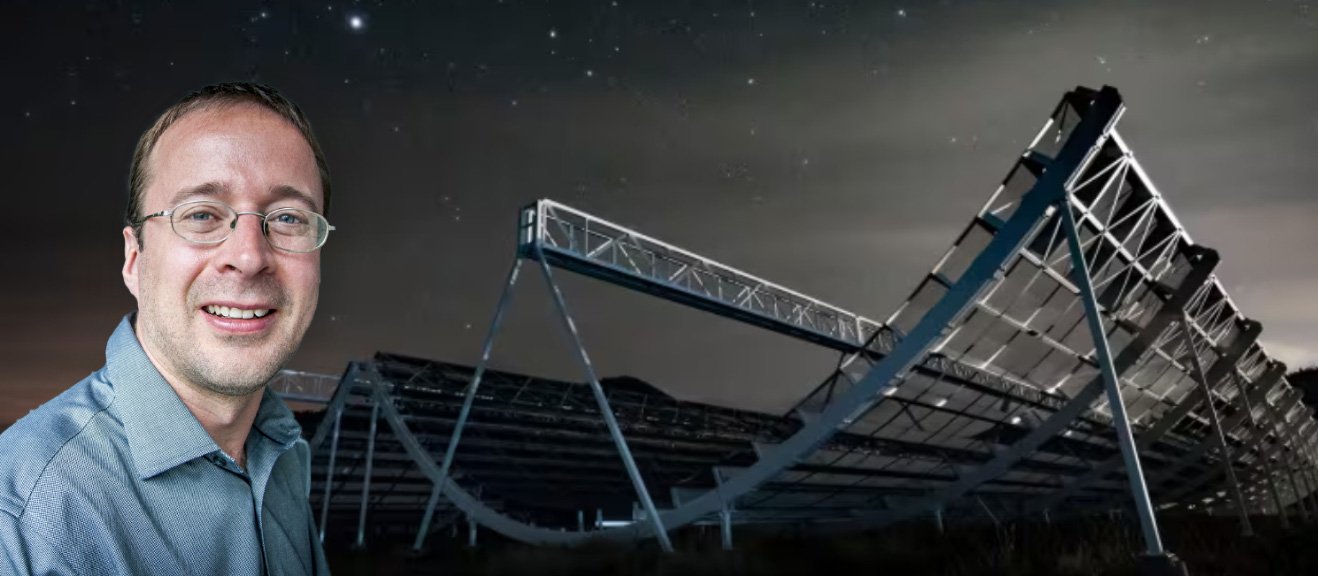
Design and implementation of the CHIME FRB search pipeline
Kendrick Smith (Perimeter Institute)
August 28, 2020
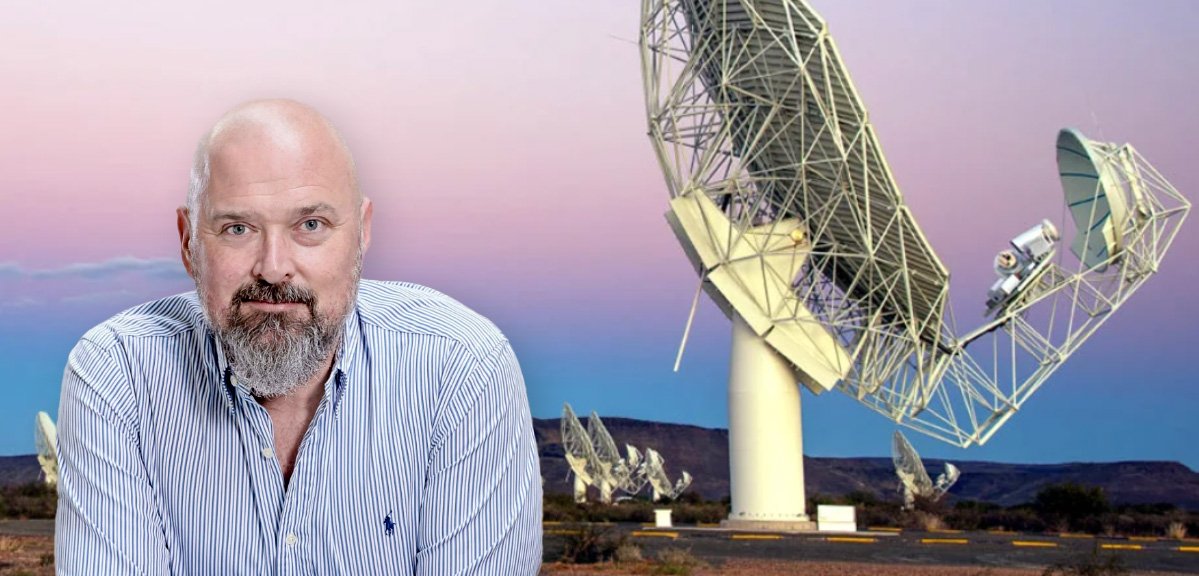
Coping with a containerful of parallel Meerkats: calibration challenges of MeerKAT
Oleg Smirnov (Rhodes University)
August 21, 2020
Extreme signal-processing performance using tensor cores
Bram Veenboer (ASTRON)